There is some thickness variation between different make vehicles with respect to new brake pads. You may also notice a squealing sound when you brake, if the car has been parked in the rain or standing water for long periods of time.

How To Tell If You Need New Brakes - Carparts4less Blog
How to check the condition of your brake discs and pads you do not have to remove the wheel of the car to visually inspect the brake discs.

How to check brake pads and discs. A micrometer is a measuring instrument that can provide quick and accurate measurements. You're looking to measure the depth of the outside pad pressed against the brake disc. In some cars, you can see the brake pads just by getting down on the ground and looking through the wheel spokes.
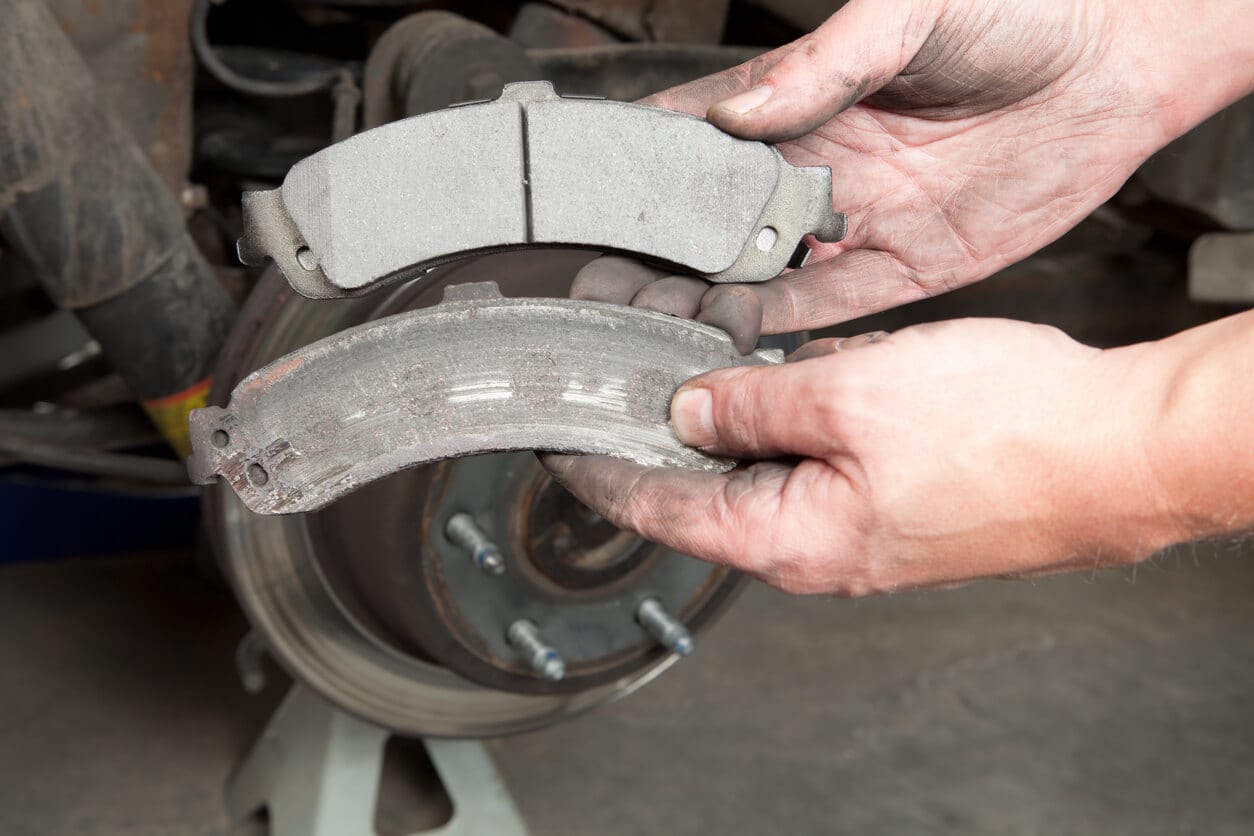
Look at the thickness of the brake pad where it comes into contact with the disc as in the photo below. If the lining is down to the thickness of the steel backing plate, the pads should be replaced. When your pads are worn to this extent, it is likely you will need to replace the discs too.
If it's less than 1/4 inch thick, you've got a problem. The section highlighted in yellow is the brake pad friction material, this should be no less than 3mm in thickness. New rear pads can be the same or may be slightly thinner in the range of 8 to 10mm (about 3/8″).;
Rear disc pads can be checked similarly, but rear drum brakes are much harder to check. Check your car's minimum brake pad and disc depth using the handbook or our brake calculator above. Brake discs the side of the brake disc facing you should have a shiny exterior.
Damage as a result of bending stress visible on the backing plate. Clean with compressed air, which gets rid of all the accumulated brake dust. Disc brake pads are new, separation above the adhesive/underlayer.
However, for a visual inspection of the brake pads you will need to remove the wheel. The master cylinder then distributes brake fluid at the requested pressure through the lines to the calipers. Frequently you don’t even have to lift the car to be able to see the brake pad.
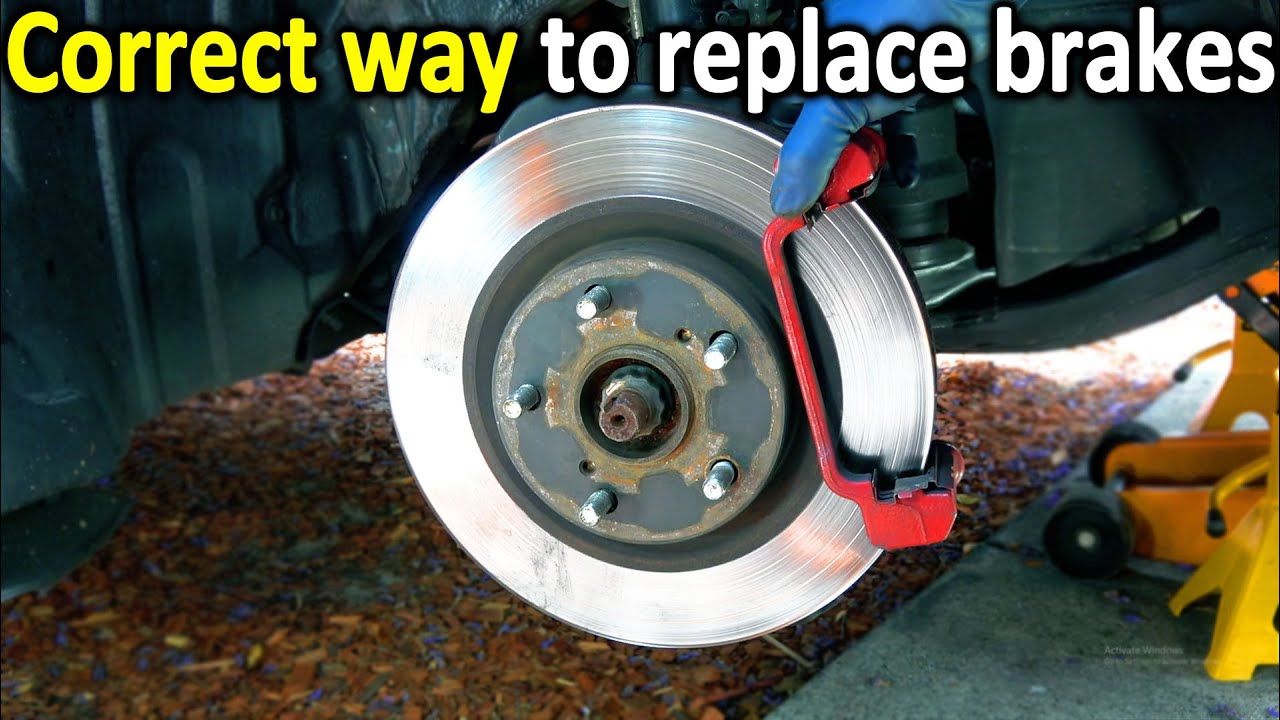
Jack up the front of the car and support it securely on jack stands. Disc brake pads have been dropped or fi tted at a tilt or Brake pads include a metal wear indicator that make a noise when it contacts the brake disc.
If you have alloy wheels you should be able to look through the spokes of the wheel at the caliper. The fluid enters the piston and applies its pressure to the surface of the piston, causing it to expand and create a clamping motion on the brake pads and rotor. Check around the pistons in you caliper and check that the brakes are not binding when you rotate the wheel.
But in general, this rule can be applied: New front pads will be 12mm thick (about 1/2″).; Waiting too long usually leads to costly damage to the brake discs and rotors.
Brake fluid is applied via the user’s pedal from the master cylinder. The wheel should rotate freely. Slide a straw between the caliper and the rotor.
Car jack and jack stands. The brake system gradually wears out during use, so it is important to check them regularly. To determine the thickness, you can use a soft material something like a straw.
When driving in cold, rainy weather, it’s crucial to make sure your brake pads and discs are properly functioning. Do it outside and remember to wear mask and goggles. When to change brake pads?
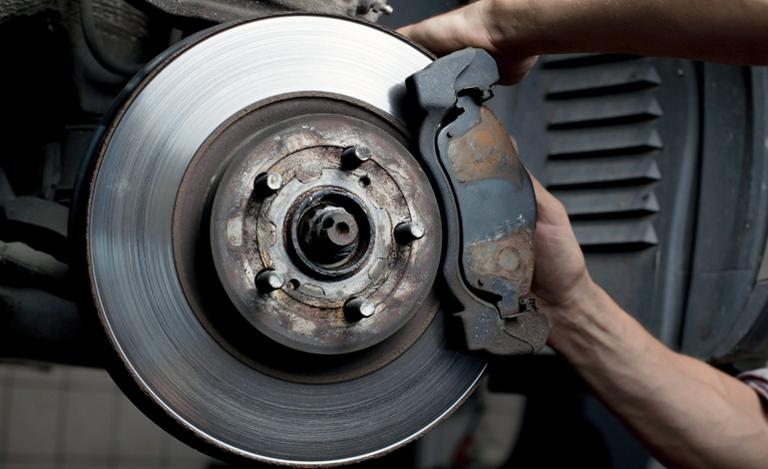
Damage visible on the backing plate. To check disc brakes, follow these steps: Jack up your vehicle and remove a front wheel.
For some automobiles, a new front pad set may have thickness differences between the. Sometimes a visual inspection doesn’t cut it, you’ll have to check the brake pad thickness to be sure. To check the disc thickness, you would need to lift your vehicle, remove the wheels, and then measure the thickness.
Excessive “wobbling” of the backing plate within the brake caliper. Push till the straw hits the brake disc and comes to a stop. If you can look through the wheel like this, find the caliper and then you'll find the brake pads pressed against the brake disc.
On most cars, if you want to check the brake pads without removing the wheel, you’ll be able to see the pads through the holes in the wheel. You’ll need the following tools: A brake pad and a brake disc (drum in the case of drum brakes).
Loosen the front lug nuts. Take a look at the brake pad friction material. When you check your disc brakes, measure the thickness of the linings on the pads so that you can tell whether the linings on your brakes are badly worn.
Lug nut wrench or impact driver. The brake system has several basic control elements: Park on a level surface, block the wheels and set the parking brake.

When To Replace Brake Discs And Pads Champion

How To Change Front And Rear Brake Pads And Rotors Complete Guide - Youtube

Whats The Ideal Brake Pad Thickness 2021 Guide Repairsmith
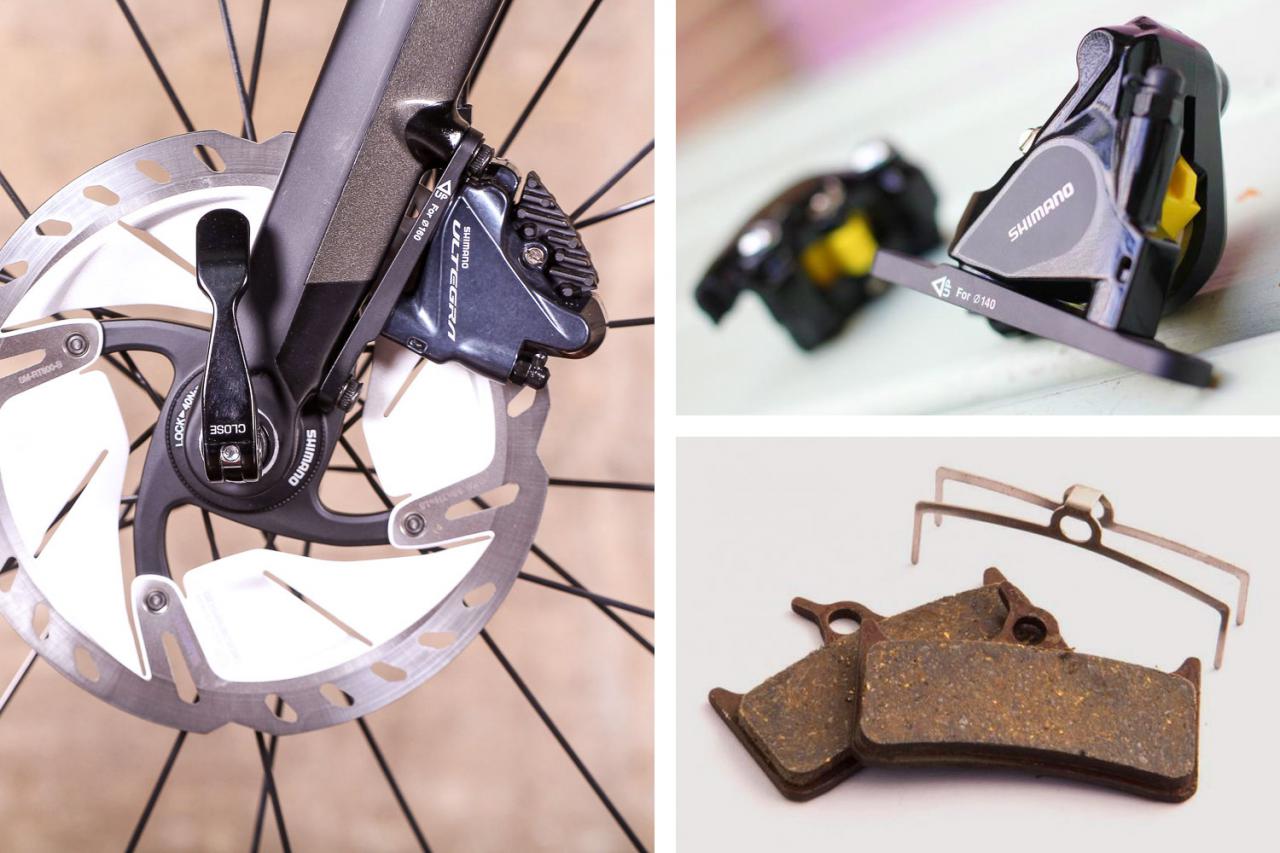
All You Need To Know About Replacing Disc Brake Pads Roadcc

How To Replace Disc Brake Pads 6 Steps - Instructables
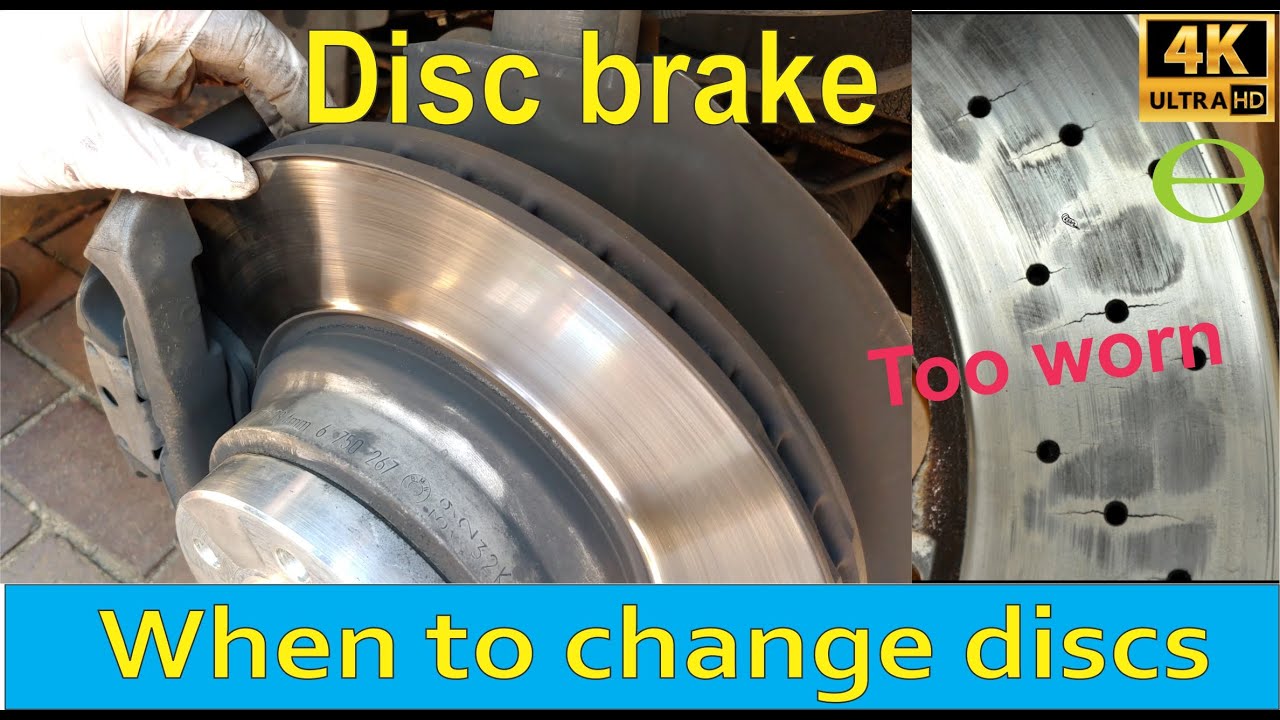
When To Change Brake Discs - How To Measure Brake Disc Thickness - Youtube

Replacing Brake Pads And Discs Rotors
How To Recognize Brake Pad Wear Patterns Yourmechanic Advice
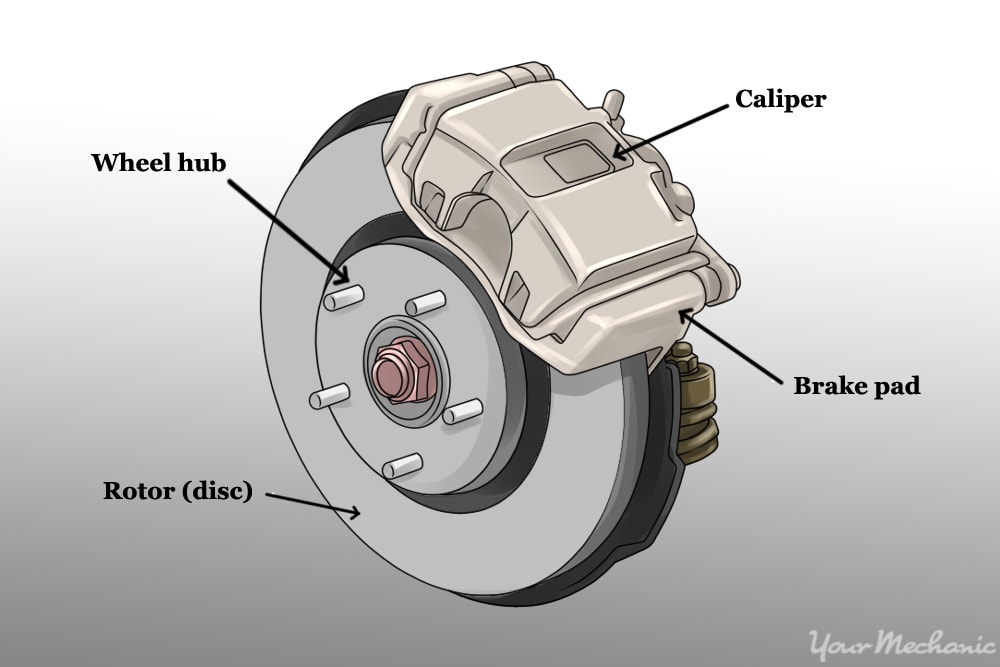
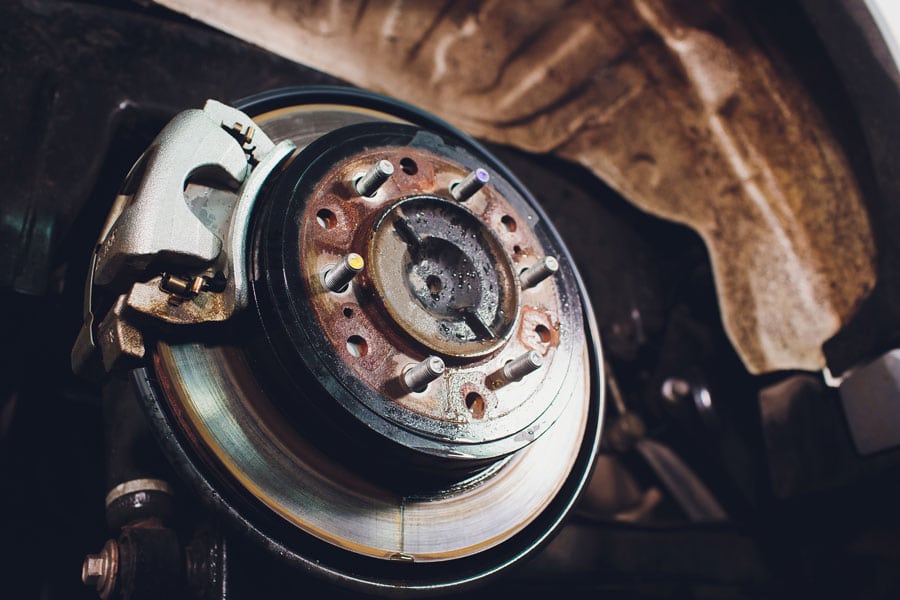
Wear When Do Brake Discs And Pads Need Changing - Herthbuss
Know Your Disc Brake Pads Supa Quick

How To Change Brake Pads And Rotors Brake Pads And Rotors Brake Pads Brake Pad Replacement
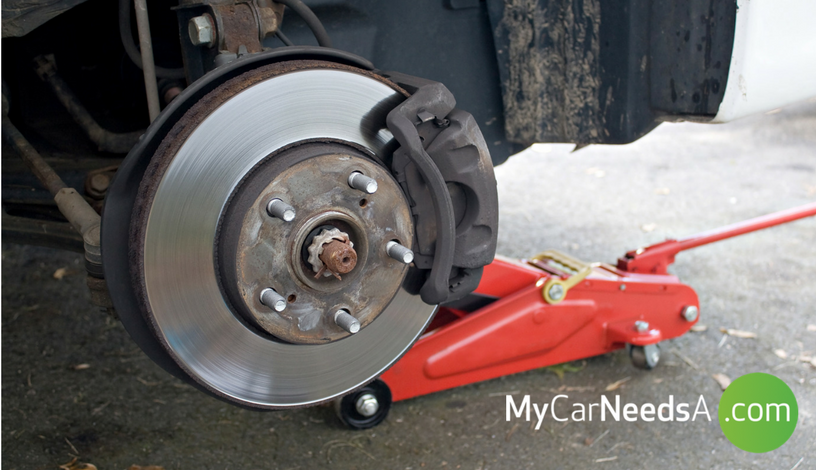
Discs V Pads Breaking Down Your Brakes Mycarneedsacom
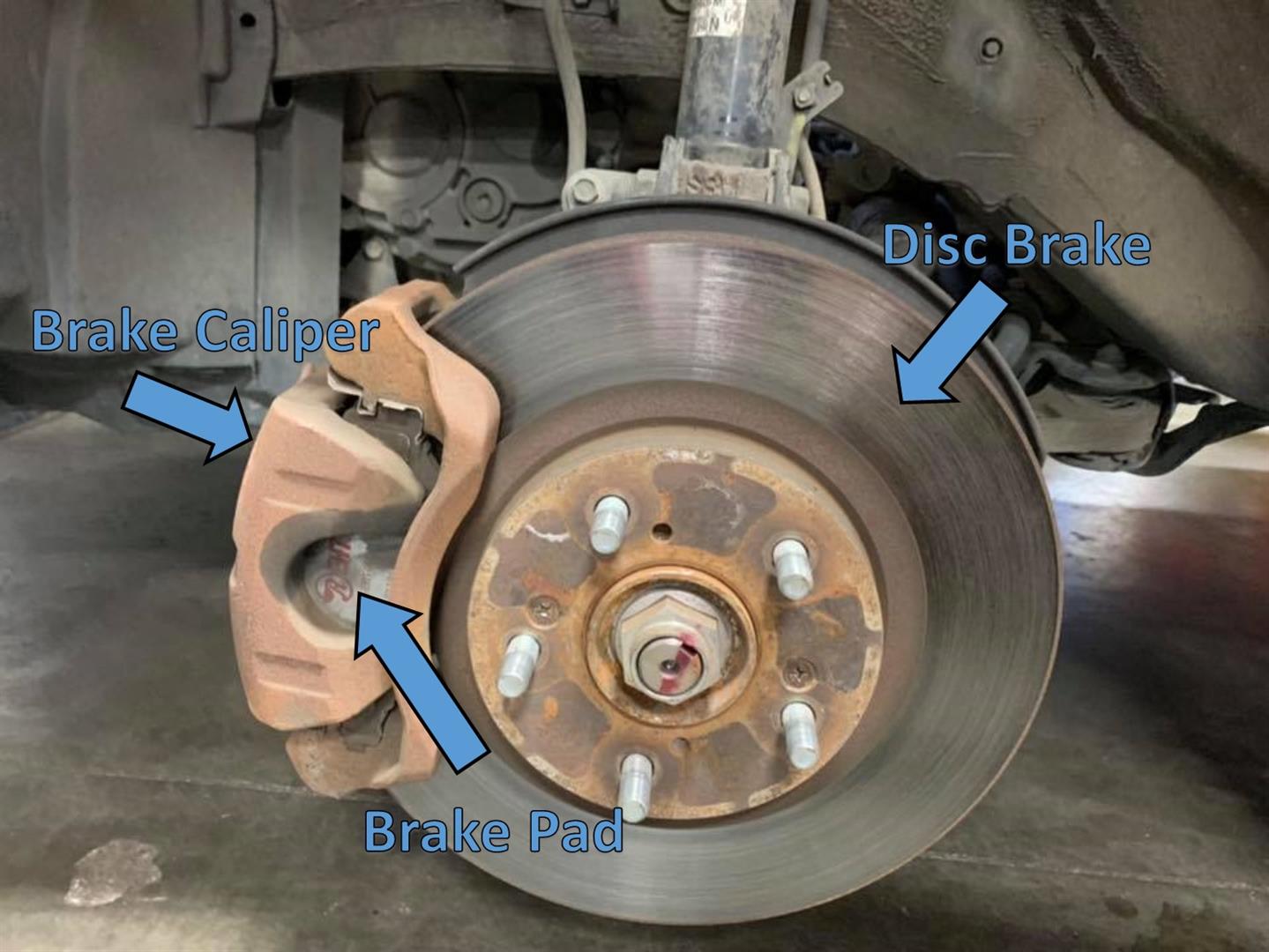
When To Change Brake Pads - Graham Auto Repair
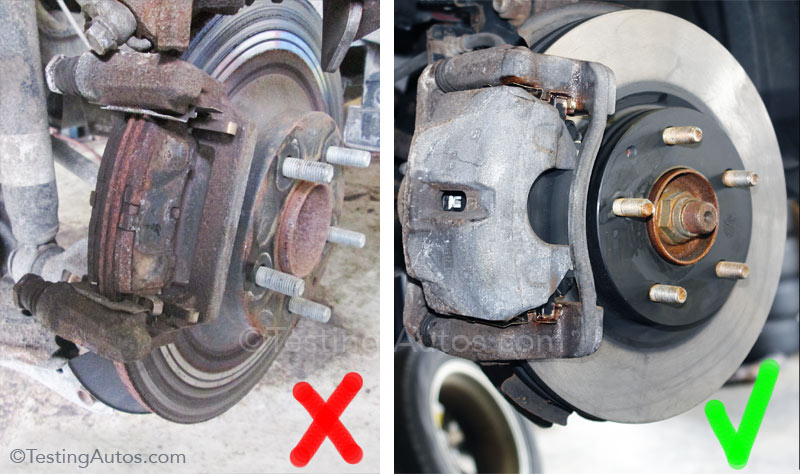
When Do Disc Brakes Need To Be Replaced
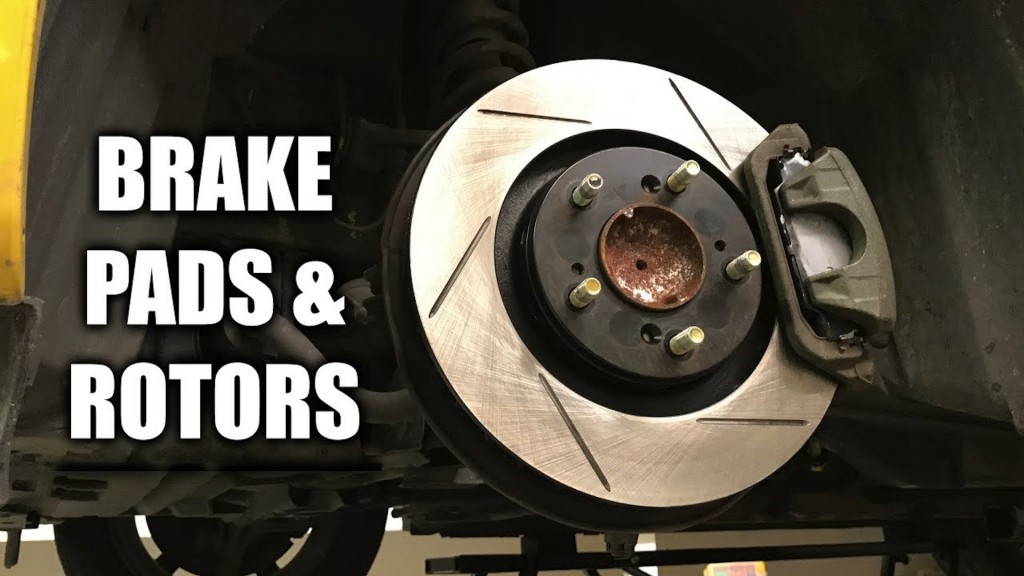
Replacing Brake Pads And Rotors--its Not As Hard As You Think
Change Your Brake Pads Halfords Uk

What Are Brake Callipers Discs And Pads
Heres The Correct Way To Change Brake Pads Rotors In A Car - Youtube
Worn Or Cracked Brake Pads Signs When To Replace Sun Devil Auto